Vehicle Classes for Group Transfers
Six vehicle classes, each supplied and driven by a partner operator, from a three-seat executive car up to an 81-seat double-decker coach, plus wheelchair-accessible minibuses.
Size the vehicle to the leg
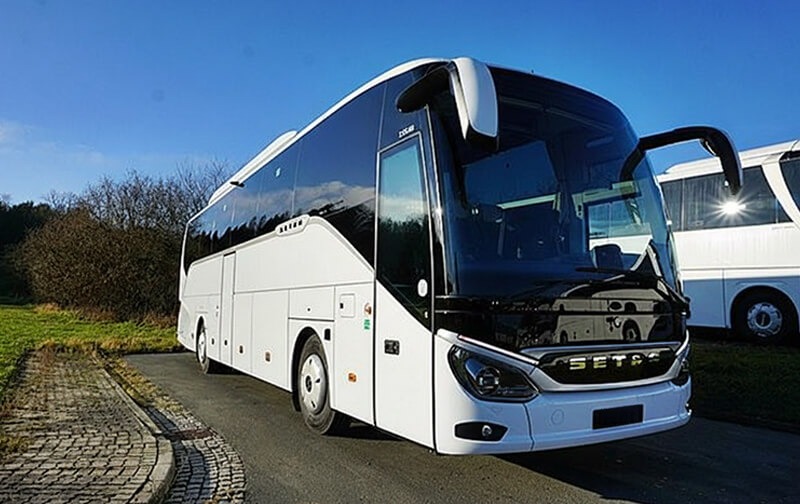
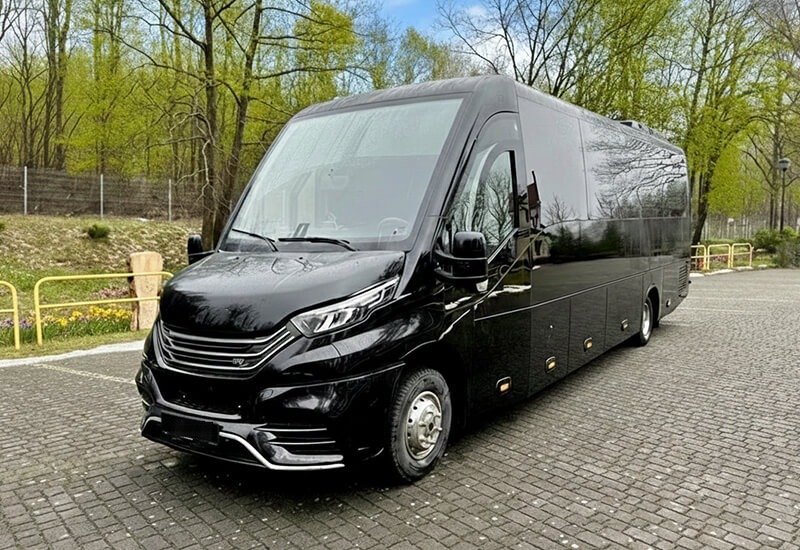
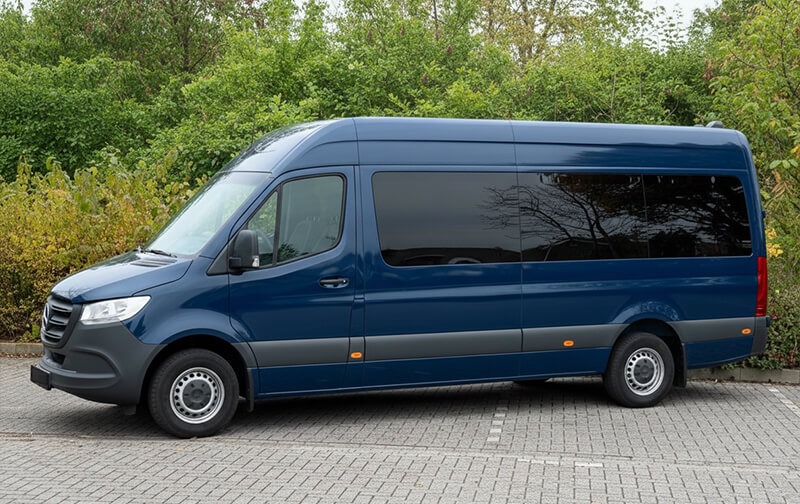
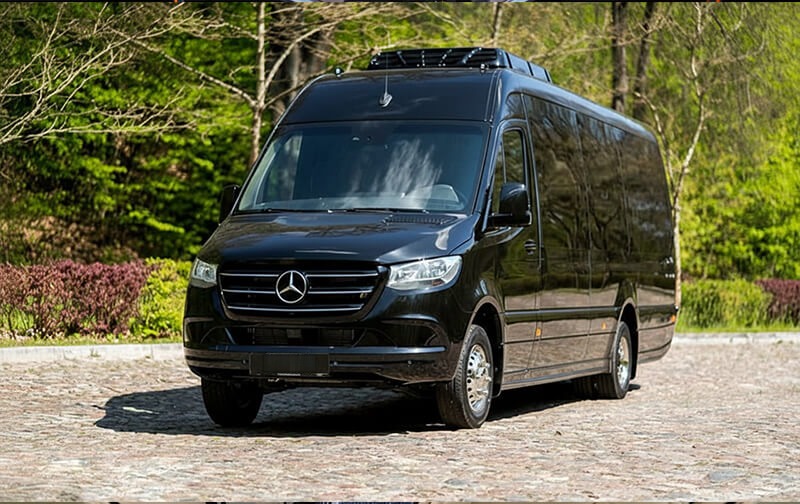
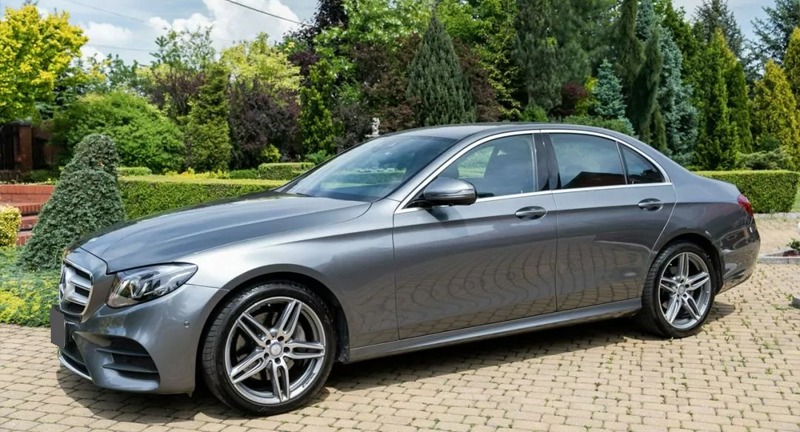
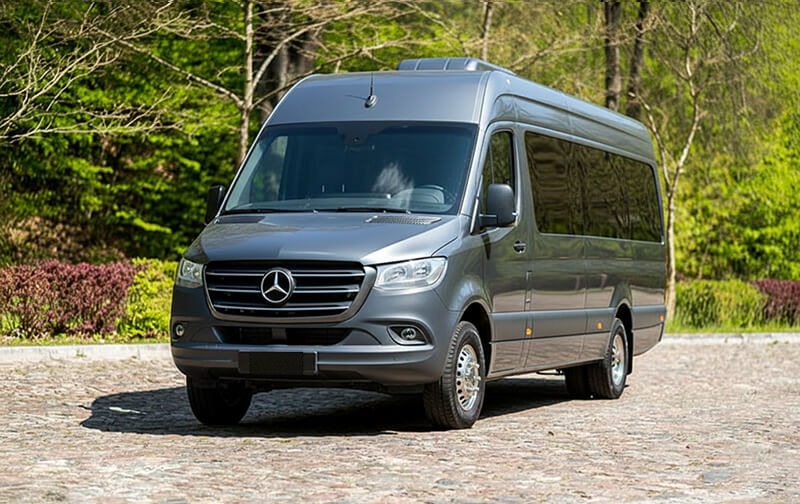
Executive cars take one to three passengers, Sprinter vans 17 to 19, minibuses 16 to 19, midi coaches 29 to 35 and full-size coaches 49 to 81. For airport work, luggage decides as often as headcount: a minibus has rear luggage space that runs short with every seat taken, while coaches carry bags underfloor.
The licence follows the seat count
Ontario treats any vehicle designed for 10 or more passengers as a bus, so the operator must be registered under the province's CVOR system. Past 24 passengers, drivers carry Ontario class C; British Columbia, Alberta and Québec each call it class 2.
Questions
Whose vehicles are these?
The partner operator's. The exact make and layout depend on which operator runs the trip.
One coach or two minibuses?
For staggered arrivals, two smaller vehicles can leave as each flight lands. For a single movement, one coach keeps the group together.
Do coaches have seat belts?
Any highway coach built from September 1, 2020 onward has to be fitted with them; older coaches may not be. In Ontario, passengers must wear a seat belt on a bus where one is available.
Choose a vehicle class
- Full-size coach — 49-81 seats
- Midi coach — 29-35 seats
- Minibus — 16-19 seats
- Executive Sprinter van — 17-19 seats
- Executive car (sedan or SUV) — 1-3 seats
- Wheelchair-accessible minibus — Varies by layout; wheelchair positions replace seats